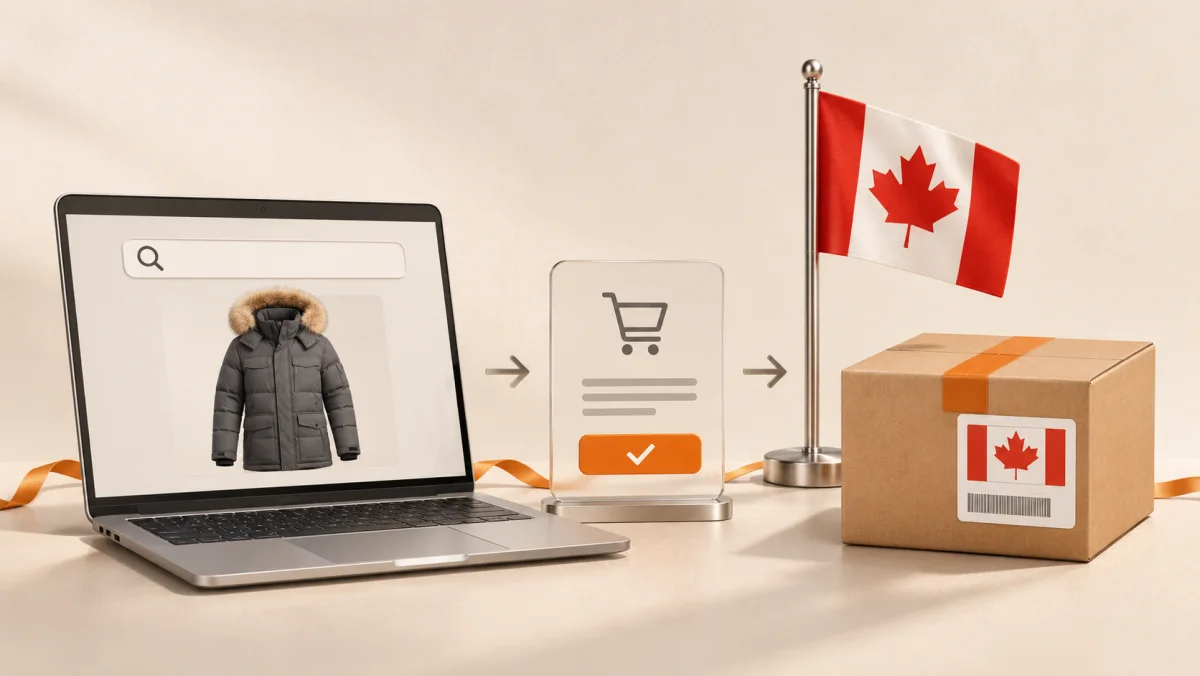
Direct checkout reaches another market
On November 4, Google announced that direct checkout powered by the Universal Commerce Protocol was rolling out to shoppers in Canada. Purchases from eligible merchants are intended to work in AI Mode in Google Search and in the Gemini app. Customers pay with Google Pay, and Google says the merchant remains the seller of record.
What is available now
The initial rollout is limited to selected merchants. Google says it will begin broadening access through a simplified Merchant Center integration the following year. The announcement does not give a specific date for general availability.
Why merchants should care
UCP describes shared commerce flows between shopping surfaces and merchants. The Canadian launch is another practical use of the protocol, but it does not mean every store can join today. Merchants can already review whether product data and processes for pricing, availability, delivery and service stay consistent.
What has to come together at checkout
A customer discovers a product in Google’s interface and can complete the purchase there with a participating merchant. Google names Google Pay and the information stored in Google Wallet for payment and delivery. The merchant remains the seller of record. Product, price and subsequent service therefore remain part of a customer and merchant relationship, even when the journey starts at Google.
The announcement names selected merchants for the initial rollout. Google says capabilities such as loyalty rewards are planned in the coming months. When other merchants can join and how their specific workflows operate will depend on the published terms of the service.
UCP as a shared purchasing flow
How protocols become a purchasing journey explains why discovery, the offer, consent, order and service are distinct jobs. A protocol can describe how participants exchange information. A working purchase also needs current data, suitable integrations and a merchant able to keep its promises.
Delivery makes the point concrete. If a suitcase arrives after a trip, even an excellent product comparison has failed the customer. From the offer to the service that follows therefore treats total price, the correct variant and the delivery date as parts of an understandable offer.
My article on the 2025 Shopware prototype with ACP and PayPal shows an earlier practical exploration of agent purchases. ACP and UCP are different protocols; the common question is how an assistant connects a purchase with the merchant’s systems.
Where merchants can start today
Even without access to the Canadian launch, merchants can review the foundations: are variants unambiguous? Do stock and delivery times match across the feed and the shop? Who handles questions and returns when the purchase starts elsewhere? The UCP protocol profile links to the specification and technical resources. The later Merchant Center integration remains an announcement until it is available to the merchant concerned.
Source and further reading
Read the original announcement ↗