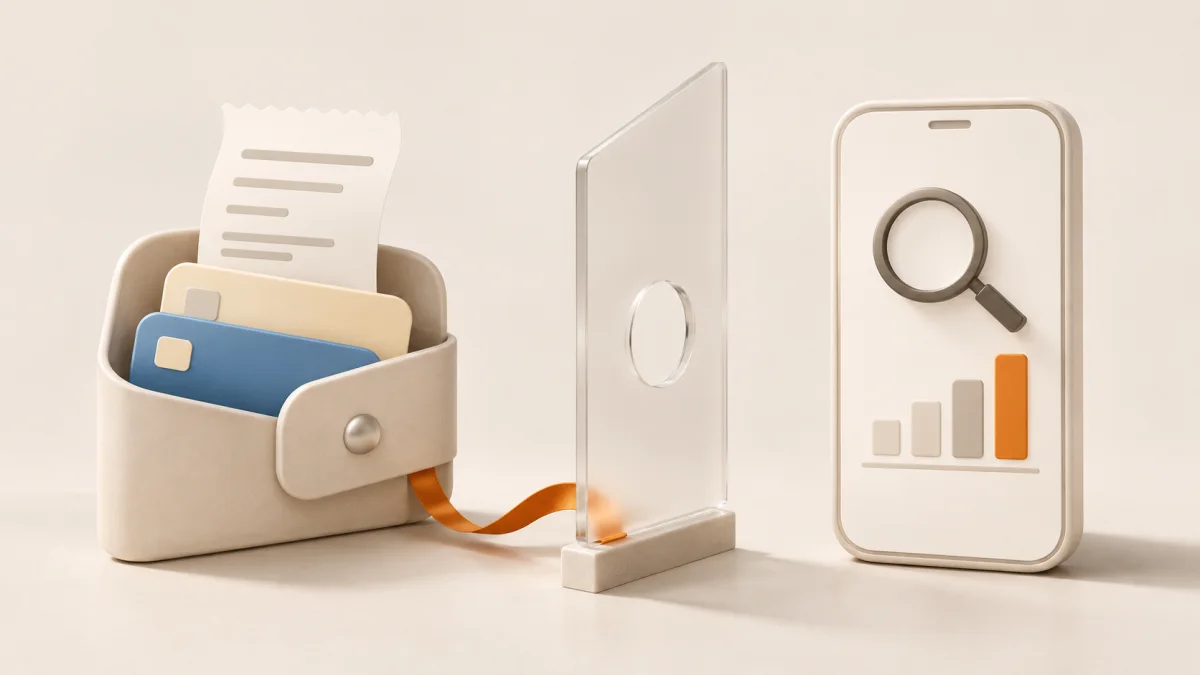
Search can see the receipt if you allow it
Is it worth buying the new coffee machine this month? You can compare offers. If you’re also keeping an eye on your spending, you need another piece of information. Google wants AI Mode in Search to be able to answer those questions with context from your own Wallet.
On November 23, Google announced the start of the Wallet rollout for Personal Intelligence. Where the connection is available, you can turn it on under Connected Apps in Search Personalization and disconnect it later. Google gives examples such as seeing spending patterns, finding everyday savings and making better use of the cards you already have. Google Search Help says the Wallet connection is unavailable in some regions.
Can AI Mode pay with this Wallet connection?
Google says this connection gives AI Mode read access to information from your accounts. Search can use it to add context about spending or card rewards. Google says AI Mode cannot move, manage or invest your money through the connection. It also announced further work on connecting Drive and sharing context between the Gemini app and Search.
I covered a separate route in Gemini Tasks with Google Pay, where a supported task can lead to a purchase under conditions the shopper sets. Search can finish answering the question about spending while the customer is still deciding whether to order anything at all.
What changes for merchants trying to be found?
In my piece about the shift in product discovery, I looked at who decides whether a merchant even makes the shortlist. The Wallet connection is one example of how an assistant can bring more of the customer’s context into that decision. Google describes it as a connection for Search users. It gives merchants no new feed of their customers’ private spending.
The shop still needs to answer concrete questions about that coffee machine. Which model suits the customer? What does it cost with delivery? When will it arrive? The suitcase in chapter 5 of my book can disappear from a shortlist because the seller failed to say whether the measurements include the wheels and handle. A personal answer still needs dependable product facts.
How I’d test the answers
I’d take a real question from customer service and try two versions. The first asks for a machine for a small office. In the second, the customer sets a €300 ceiling and wants to fit the filters and delivery into that total. Then I would compare the suggested offer with the product page and the cart.
My guide to product data for ChatGPT and Google takes that comparison through variants, prices and availability. For this test I’d record whether the machine appeared, whether the answer got the total right, and whether anyone went on to buy. Each tells me something different about the purchasing journey.
Source and further reading
Read the original announcement ↗